MEET LISA
How do we rise to great challenges without being flattened by them?
I have spent decades chasing answers to that question — as a journalist, an author, a communications leader, and now in rooms with purpose-driven leaders and teams. Here is the short version of what I found, and what I do with it.
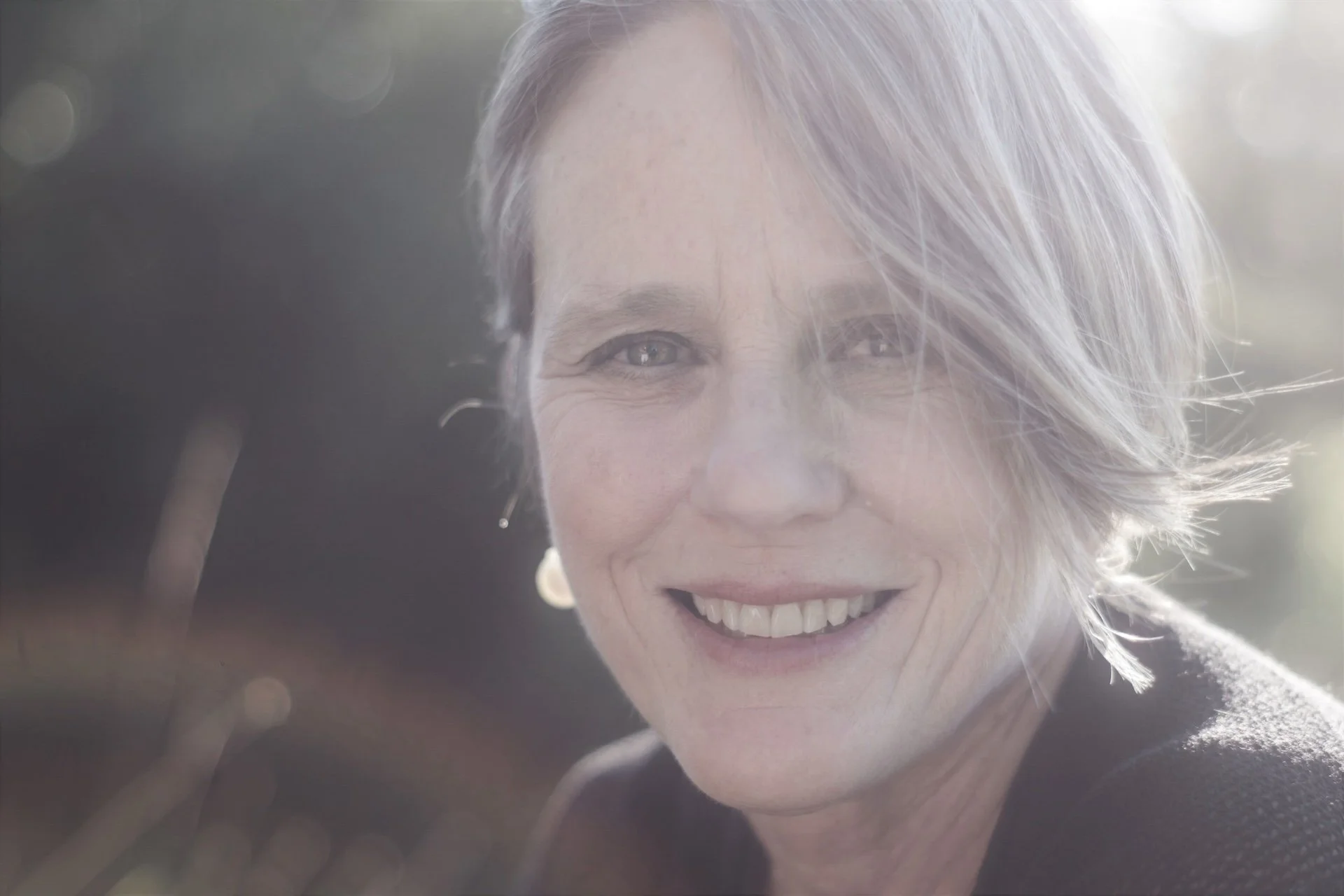
WHY THIS WORK
I was caught up in “saving the world” through a range of leadership positions in purpose-led organizations — until I hit a wall and realized I wasn’t even saving myself.
I have spent years asking what helps people stay engaged in big challenges—talking to dozens of experts and working with leaders, from CEOs and university presidents to nonprofit executive directors, the Dalai Lama, and unsung changemakers. What I learned has convinced me I have something worth sharing with leaders and teams navigating big challenges today.
Two things make purpose-driven work more manageable—and enjoyable.
First the story. The one most of us inherited — that we have to save what we love — closes off possibility at the same rate it exhausts us. A room cannot practice anything new while still working from the old story.
Then the skills. Clarity, grounding, and agency — the ones that let people act on challenges far bigger than they are, without needing the challenge to shrink first.
WHERE IT IS GOING
A book — Savor the World: How to Draw Strength From What You Love and Keep Showing Up for It.
Forthcoming.
WHAT I DO WITH IT NOW
Keynotes, workshops, and full days that help teams reconnect mission, people, and resources — and stay grounded when setbacks mount.
Books & Writing
Savor the World: How to Draw Strength From What You Love and Keep Showing Up for It — forthcoming
Ecoliterate, with Daniel Goleman
Editor, Women Amplified
Contributor, The Compassionate Instinct
THE RECORD
Work has appeared in
The New York Times · The Atlantic · Forbes · Harper’s · Vox · Big Think · The Chronicle of Higher Education · Thrive Global
Stages & Media
National Press Club
Human Rights Campaign National Dinner
California Academy of Sciences
Garrison Institute
Packard Foundation
Golden Gate National Parks Conservancy
On air
BBC · NPR · C‑SPAN · ABC · NBC‑TV San Francisco
Education & Background
MA, International Affairs — Columbia University
BA, Literature and Writing
Fellow — Harvard University’s Kennedy School of Government
A native New Yorker, I live in California and am the mother of two adult sons.
Clients & partners have included
American Psychological Association
Brown University
California Academy of Sciences
Conferences for Women
Cornell University
Earth Knowledge
The FrameWorks Institute
Human Rights Campaign
Protect Our Winters
Southern Poverty Law Center
Woods Hole Research Center