Is Wonder Beside the Point?
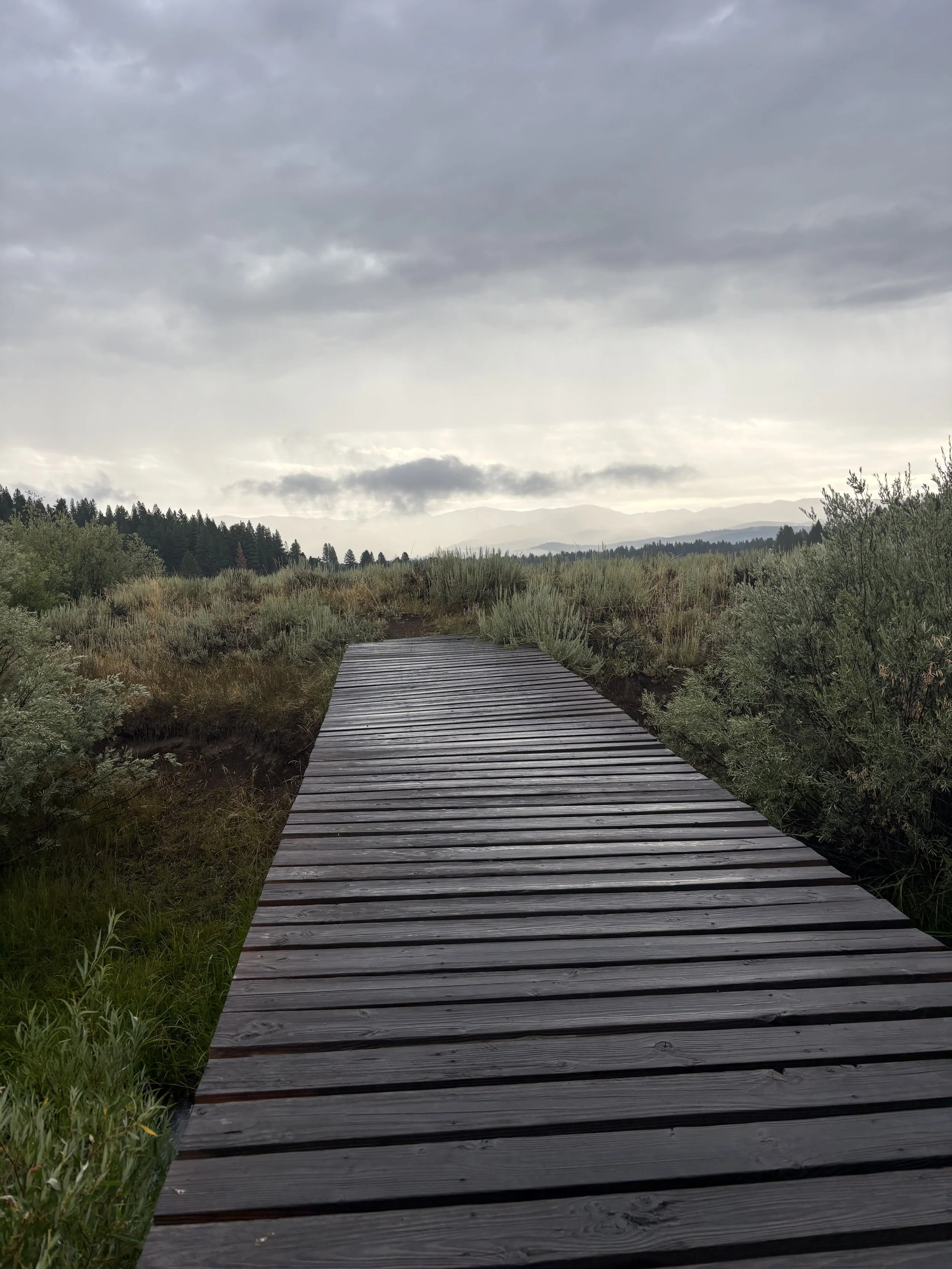
From my morning walk. Bridges and pathways always make me wonder…what’s beyond?
What Rachel Carson Knew About Staying Power
Over the past few weeks, while doing research for my book, I’ve been diving back into the work and influence of Rachel Carson, who is widely credited with inspiring the modern environmental movement.
Few people under 50 know about Carson, one of her biographers, William Souder, has observed.
Now I want to place her books in the hands of everyone, whatever their issue and level of engagement.
Carson is a model of courage in the face of formidable odds. She stood up against a powerful chemical industry that, needless to say, found her message inconvenient.
Writing in Silent Spring, which woke Americans up to the impact of chemicals on public health and the living systems on which we depend, she observed, “The question is whether any civilization can wage relentless war on life without destroying itself.”
And damn, did Carson know how to make a compelling case while staying grounded.
In the fall of 1962, the year Silent Spring came out, a television crew came to her home to interview her. She was suffering from breast cancer and wearing a wig to hide the hair loss radiation treatment had caused.
When she spoke, however, she was clear, grounded, and powerful.
Her message, Souder writes, was “relentlessly rational and at odds with the character assassinations that had branded her a kook. Carson’s virtuoso performance was more forceful for seeming anything but a performance.”
But perhaps most relevant to us now, Carson shows what it takes to keep doing the vital work of safeguarding the natural world amid what I can only most generously call ever greater foolishness.
The source of her staying power is clear in the range of books she wrote. Silent Spring focused on the bracing facts of how pesticides were harming public health—a consequence of “the impetuous and heedless pace of man rather than the deliberate pace of nature.”
The Sea Around Us, which won the National Book Award, invites readers into the natural history of the ocean with this irresistible opening: “Beginnings are apt to be shadowy, and so it is with the beginnings of that great mother of life, the sea.”
And The Sense of Wonder, a celebration of nature published after her death, includes the famous lines, “Those who contemplate the beauty of the earth find reserves of strength that will endure as long as life lasts.”
What most struck me in returning to her work recently, however, was a passage that brought it all together.
There is no single remedy for the folly of humans harming the natural world on which we all depend, she observed in a speech.
But she added, “The more clearly we can focus our attention on the wonders and realities of the universe about us, the less taste we shall have for the destruction of our race. Wonder and humility are wholesome emotions, and they do not exist side by side with a lust for destruction.”
Not wonder in place of unwelcome realities. Not unwelcome realities with no time for wonder.
Reality and wonder, like two wings of a bird.
Holding both can give us the staying power to keep doing good work against formidable odds.